

The world of IT recruitment is constantly shifting, driven by technological advances, evolving workplace dynamics, and changing employee expectations. As we approach 2026, it’s essential to look ahead and anticipate the key trends that will shape the future of IT recruitment.
From the continued rise of artificial intelligence and automation to the growing demand for diversity and inclusion, IT recruiters will need to adapt to these emerging trends to remain competitive in the talent market.
1. The Impact of AI and Automation on Recruitment
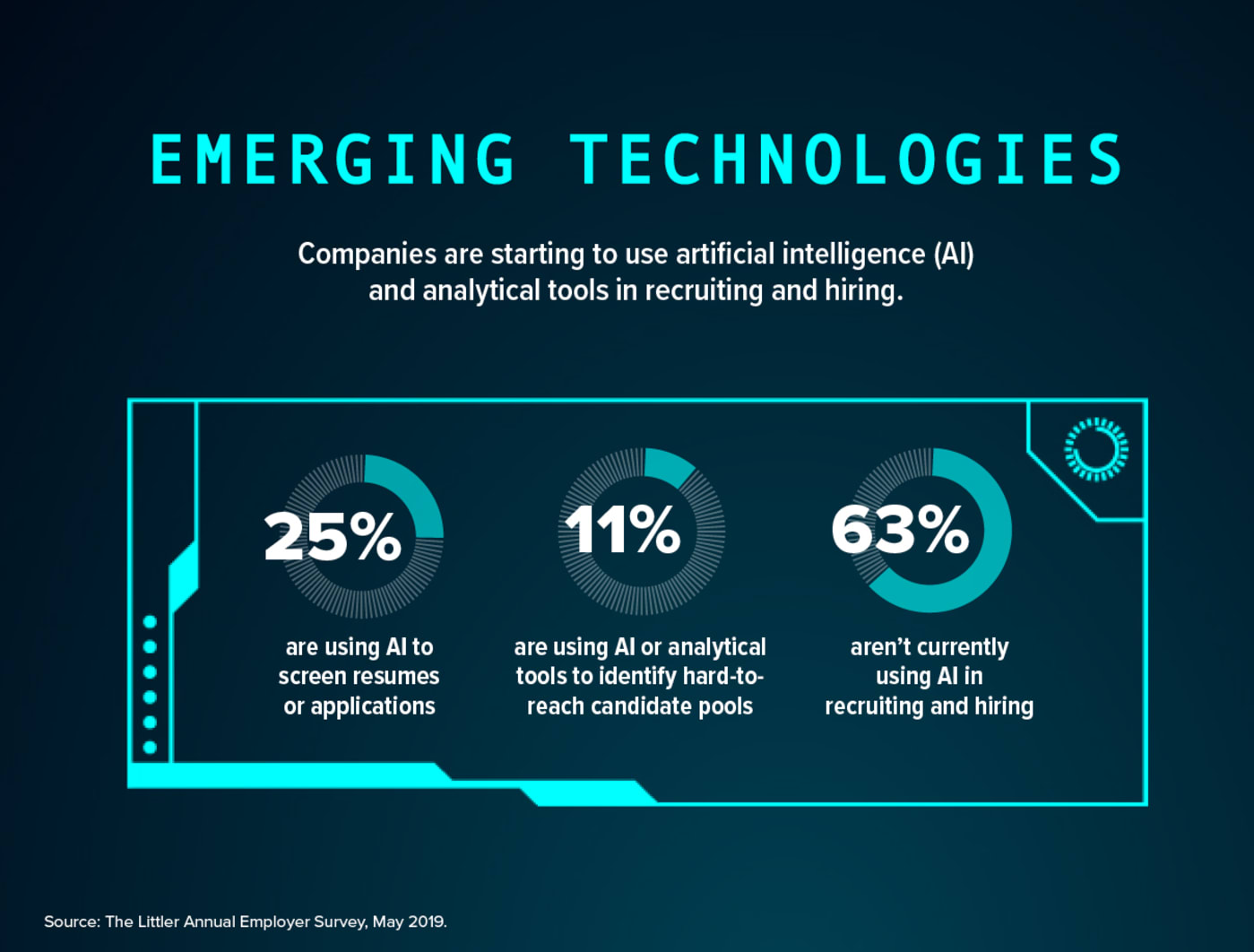
Artificial intelligence (AI) and automation are already making waves in IT recruitment, and their influence will only increase in the coming years. By 2026, AI will play a pivotal role in streamlining the recruitment process, from screening resumes and conducting initial interviews to analyzing candidate data.
AI-powered tools will enable recruiters to identify the best-fit candidates faster and more accurately, eliminating much of the manual work involved in the hiring process. This will allow IT recruiters to focus on more strategic aspects, such as candidate engagement and building strong relationships with top talent.
2. Remote Work Will Continue to Flourish
Remote work has become a permanent fixture in the tech industry, and this trend will only continue to grow in 2026. As companies become more comfortable with virtual teams, the demand for remote IT talent will rise.
Recruiters will need to adapt to this shift by expanding their talent pools globally and finding ways to assess candidates remotely. This will also require companies to rethink their onboarding processes and create strategies to foster a strong remote work culture.
3. Diversity and Inclusion Will Be a Key Focus
Diversity and inclusion (D&I) will remain a top priority for IT recruiters as organizations increasingly recognize the benefits of diverse teams. In 2026, recruiters will be expected to actively source diverse candidates and implement strategies to foster an inclusive hiring process.
This will include using AI tools that reduce bias, creating diverse interview panels, and ensuring that job descriptions are inclusive. Companies that prioritize D&I will not only attract top talent but also benefit from improved innovation and employee satisfaction.
4. The Rise of Contract and Freelance Work
As more IT professionals opt for the flexibility of contract and freelance work, IT recruiters will need to adjust their strategies to attract these non-permanent workers. By 2026, the gig economy will continue to thrive, with many IT professionals choosing to work on a project-by-project basis.
Recruiters will need to develop strong networks of freelancers and contractors, ensuring that they can quickly fill short-term or specialized roles. This shift will also require companies to rethink their approach to workforce planning and talent management.
5. Soft Skills Will Be Highly Valued
While technical skills will remain critical, soft skills will be equally important in the recruitment process. IT professionals who can collaborate effectively, communicate clearly, and adapt to new challenges will be in high demand.
Recruiters will need to assess candidates’ soft skills alongside their technical expertise, using tools like behavioral assessments and situational interviews to gauge their ability to work in teams, solve problems, and handle pressure.
Conclusion
The future of IT recruitment will be shaped by AI, remote work, diversity and inclusion, contract labor, and the growing importance of soft skills. As we move toward 2026, IT recruiters will need to embrace these trends to remain competitive in the talent market. By staying ahead of these changes and adapting their strategies, recruiters can ensure that they continue to attract and retain the best IT talent in the industry.

