Security hiring in ERP tends to surge in cycles: a project triggers it, an audit triggers it, or an incident triggers it. In 2026, it’s firmly back on the board. Across SAP landscapes in particular, organisations are under pressure to tighten access control, improve identity governance, and demonstrate segregation of duties in a way that stands up to audit scrutiny.
The shift is that security is no longer treated as “a technical workstream that runs alongside delivery.” It is increasingly being treated as part of operational integrity. If controls are weak, finance and compliance teams will block go-live readiness. If access is messy, adoption suffers. If roles are over-permissioned, risk rises.
This is driving demand for three types of profiles.
First, GRC and SoD specialists who can manage risk rulesets properly and turn policy into enforceable controls. The market is full of candidates who have “GRC exposure,” but fewer who can own a ruleset, manage remediation decisions, and handle the politics of access restriction.
Second, security administrators and role designers who can build clean role concepts and maintain them. Role design is often underestimated. A rushed role build creates long-term operational pain: endless firefighting, emergency access misuse, and constant business frustration. Strong role designers can prevent this by building role structures that reflect process reality without over-restricting operations.
Third, identity and access management (IAM) profiles who understand provisioning, joiner-mover-leaver processes, and integration with corporate identity platforms. In 2026, access is increasingly being viewed through the lens of lifecycle management rather than manual ticketing. That changes the skills employers need.
Hiring challenges in this space come from competing stakeholder demands. Security teams want tighter restriction. Operations teams want speed. Delivery teams want minimal friction. The best security hires are those who can balance these pressures without losing credibility with any group.
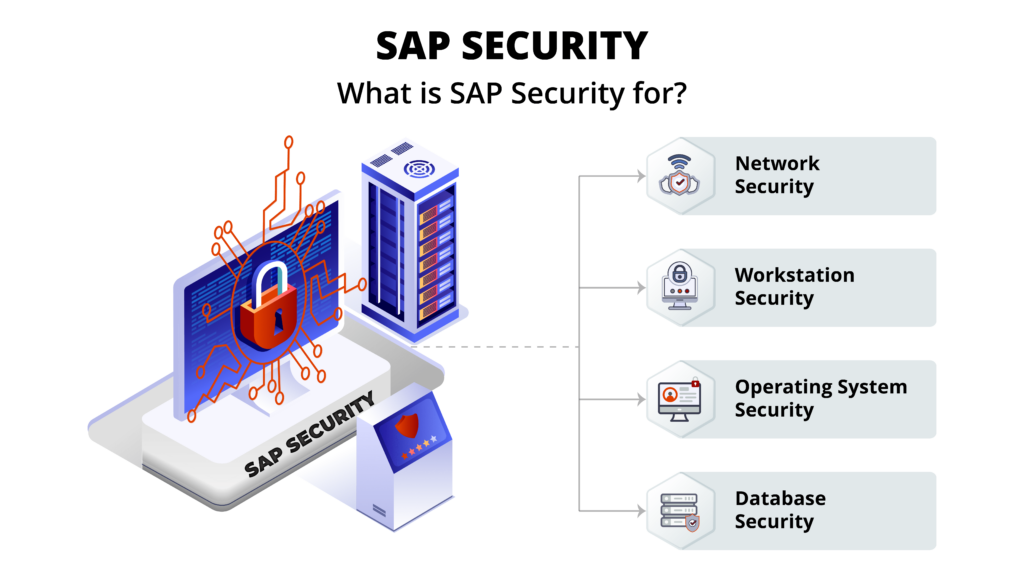
From a practical hiring perspective, role scope must be clear. “SAP Security” can mean:
- classic authorisations and role maintenance
- GRC access risk analysis and controls
- emergency access (firefighter) governance
- IAM integration and provisioning
- audit remediation and controls documentation
When this is not defined, hiring cycles stretch, because candidates cannot assess what is expected and employers cannot assess fit.
Interviewing should focus on risk judgement and stakeholder handling. Useful prompts include:
- Describe a time you reduced SoD risk without blocking the business. What trade-offs did you make?
- How do you approach role redesign when existing roles are a mess?
- How do you handle emergency access properly under business pressure?
- How do you build a provisioning model that scales beyond manual approvals?
- What does “audit-ready” actually look like in practice?
This is also an area where language and communication style matters. Security roles require clear written documentation and the ability to communicate constraints without creating conflict. Candidates who can do this calmly tend to outperform “purely technical” profiles.
In 2026, security and identity hiring will remain a priority because ERP landscapes are increasingly scrutinised as operational risk systems, not just IT systems. Organisations that hire the right capability early reduce audit pain later, protect go-live timelines, and avoid the slow erosion of trust that comes from messy access control.